Globalization refers to the increasing interconnectedness of countries through trade, technology, and cultural exchange. This phenomenon has transformed economies, politics, and daily life worldwide.
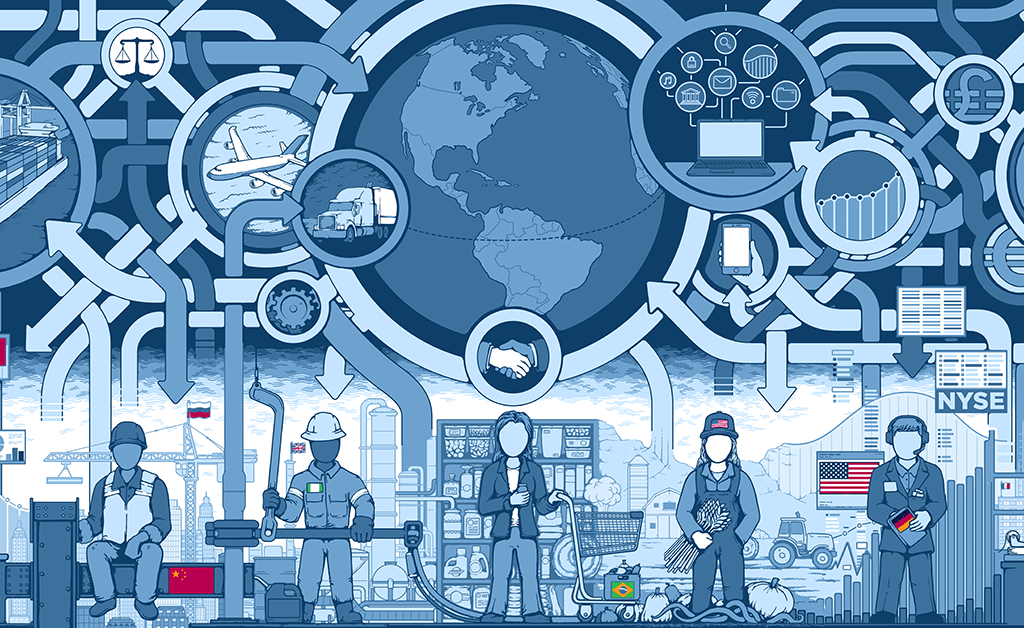
The one key aspect of globalization is trade. Over 60% of global trade happens within multinational corporations. Companies like Apple and Toyota produce and distribute their products across multiple countries. This increases efficiency and lowers costs but can also create inequalities.
Did you know? Technology especially the internet, plays a massive role in globalization. Over 5 billion people are now online, connecting across borders for work, education, and entertainment. Platforms like Facebook and YouTube are accessible worldwide, enabling cultural exchanges on an unprecedented scale.
Here’s a fascinating trivia facts that McDonald’s operates in over 100 countries, symbolizing the reach of globalization in everyday life. While globalization promotes cultural diversity, it can also lead to the loss of local traditions.
Despite its benefits, globalization has sparked debates. Critics argue that it widens the gap between rich and poor nations and erodes national sovereignty. However, proponents believe it fosters innovation and cooperation, driving global progress.

 shiningstar.code.blog